Claims about early votes and voting machines
Trump alleged that batches of early votes were too large for Republicans to overcome and blamed voting machines. He supplied no evidence for either claim, according to AFP reporting carried by The Straits Times, and did not specify which machines he meant or identify any miscounted ballots.
The results gave Democrats control of both chambers of Congress in the November 3 election. AFP reported that their House majority was the party's largest in nearly two decades.
Senate Democratic leader Chuck Schumer rejected the allegations. "Donald Trump's pathetic return to election denialism was inevitable," he said, adding that Trump would face "the largest Democratic congressional majorities in decades."
From conditional acceptance to an Alaska demand
Before the election, Trump had qualified his promise to accept the outcome. TIME reported that he told reporters on October 27 that he would respect the results "if they're honest elections."
His initial acceptance after the vote was accompanied by a dispute over Alaska's still-undecided Senate race. On the Thursday following the election, Trump demanded that votes for two minor candidates go to Republican incumbent Dan Sullivan, who was trailing, according to AFP. Alaska's election laws provide for ranked-choice voting.
The immediate response from many other defeated Republicans was to concede and congratulate their Democratic opponents, the Associated Press reported on November 4. AP also found no wave of court challenges the day after the election, although the Trump Justice Department had laid groundwork for such challenges before voting.
Turnout was also expected to be unusually high. In a November 4 NPR report, Michael McDonald of the University of Florida's Election Lab estimated that the election would record the second-highest midterm turnout in the past hundred years.
Other false claims and the 2020 legal record
Separately, AP debunked a viral story alleging that an FBI raid at a Houston storage warehouse had uncovered more than 20,000 fraudulent Democratic ballots. FBI Houston said no election-related operation had taken place.
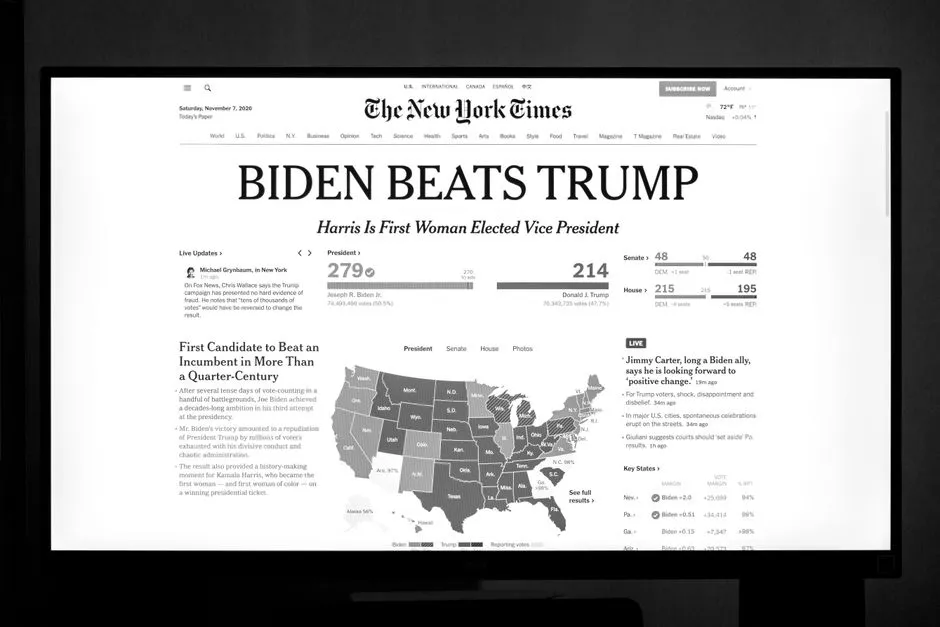
Trump's earlier effort to contest the 2020 election involved 62 lawsuits filed by him and his allies from November 4, 2020, through January 6, 2021, TIME reported, citing the House January 6 committee. Those cases challenged the results or sought to overturn them. The sole legal victory was a limited Pennsylvania ruling that neither established fraud nor changed the outcome.