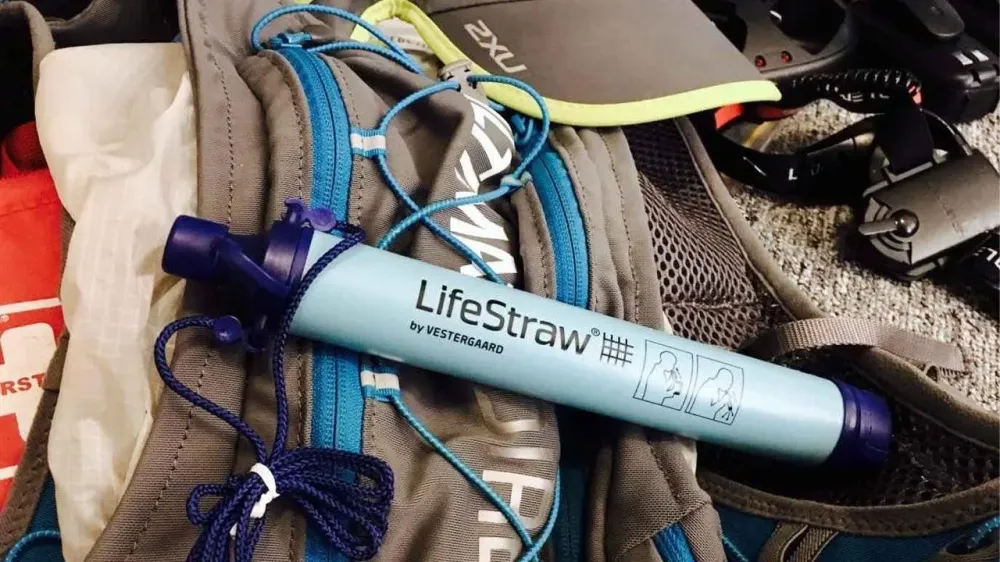
Planning for disrupted water supplies
Recent storms strained local infrastructure and left communities facing prolonged disruptions. The LifeStraw article recommends keeping first aid supplies, flashlights, batteries and safe water available, while consulting community supply lists for needs specific to the area.
FEMA warns that a disaster can interrupt a household's usual water supply or contaminate it. Preparing for that possibility means having access to drinking water even when the regular supply is unavailable or boiling is not an option.
FEMA's emergency food and water guidance recommends storing at least one gallon per person per day and considering a supply sufficient for at least two weeks for every family member. The agency also advises never rationing water if supplies run low.
Winter outlook varies by region
NOAA's U.S. Winter Outlook, released Oct. 15, 2026, forecasts that a very strong El Niño will influence conditions from December 2026 through February 2027.
The outlook favors a warmer-than-average winter across the northern United States. Wetter-than-average conditions are favored across the southern tier, from California to Florida, and along the Eastern Seaboard. NOAA also expects drought conditions to improve across much of the country.
What the October grid emergency covered
The sponsored article also cites recent grid emergency declarations as a reason to prepare. One federal order, issued Oct. 12, 2026, by Energy Secretary Chris Wright, covered 13 states and Washington, D.C., within the PJM Interconnection region. Order No. 202-26-50 was in effect Oct. 13-16.
PJM requested the order amid record October heat and scheduled maintenance. To help prevent blackouts, it permitted power plants to operate backup generation for longer periods and exceed certain pollution and exhaust limits. PJM serves about 67 million people.
Officials said blackouts were not imminent and households did not need to take action.
Military resilience plans
The Defense Department initiative referenced in the LifeStraw article is FORTRESS America, short for Federal Operations for Resilience, Troop Resources, Energy, Supply, and Survivability. Defense Secretary Pete Hegseth announced it on Sept. 30, 2026.
Its five pillars are energy independence; resilience of supply chains and the defense-industrial base; a strategic defense reserve; installation hardening and cyber resilience; and resilience in space and spectrum.
Fox News reported on Oct. 25, 2026, that major bases in the continental United States would be expected to maintain essential operations independently for at least 90 days. According to Snopes, the Pentagon had not officially confirmed that requirement as of late October 2026.
A separate Army effort, the Janus Program, had already selected five bases for nuclear microreactors: Fort Benning, Georgia; Fort Bragg, North Carolina; Fort Campbell, Kentucky; Fort Drum, New York; and Fort Hood, Texas. Janus aims to build at least 20 microreactors so bases can maintain energy resilience without depending on external grids.
LifeStraw's emergency water products
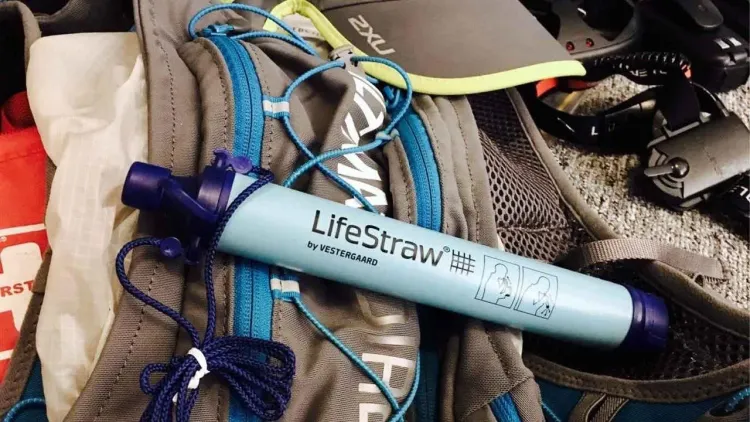
LifeStraw describes itself in the sponsored article as a leading manufacturer of emergency water filtration devices. The company says its product range addresses more than 30 contaminants, including bacteria, viruses, dust, sand, debris, chlorine, lead and microplastics. Its offerings include personal filter straws, high-volume dispensers and purifiers designed to remove viruses.
The company has also introduced Emergency Preparedness Bundles, a first for the brand. It says its devices are easy to use, lightweight and portable enough to take during an evacuation, and operate without electricity, batteries or added chemicals. The article describes filtration through a membrane microfilter.
Options named in the article include personal filter straws for individual family members and the LifeStraw Escape and LifeStraw Mission for household use. The LifeStraw Community purifier can serve groups of up to 25 people per day.
The article points readers to FEMA's Ready preparedness resource for an emergency supply checklist and to LifeStraw for its emergency products and replacement filters.