Demands and a mediation proposal
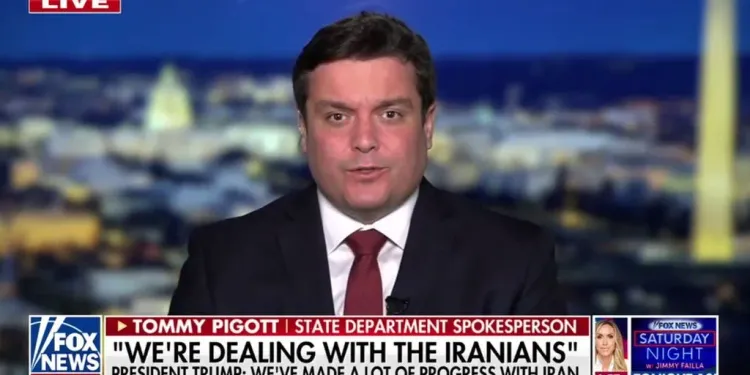
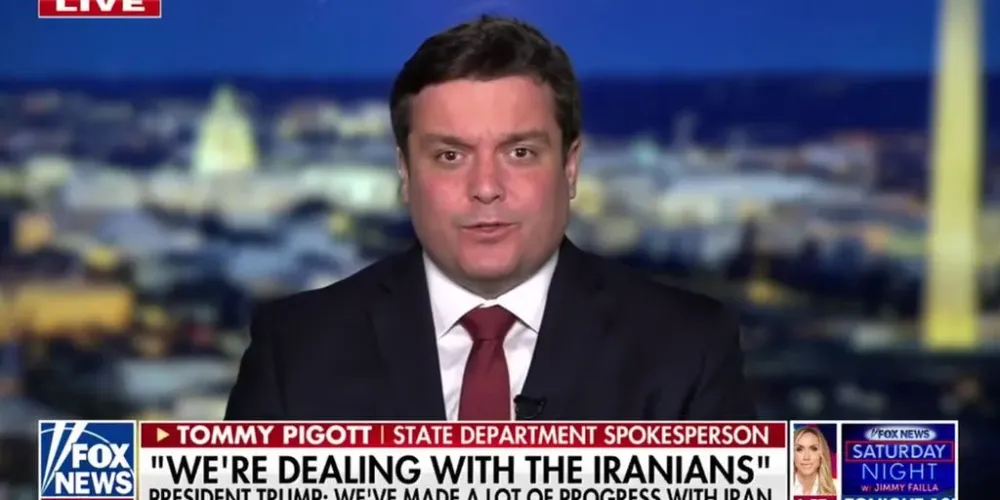
Fox News presented the interview under the headline "Trump holds all the cards." Separate reporting described unresolved differences over the terms for negotiations and a proposal being discussed by Qatari mediators.
During a November 5, 2026, visit to Russia, Iran's top security official, Mohsen Rezaei, said Tehran had given Washington seven conditions for diplomacy. "As long as they do not implement these seven conditions, we will neither open the Strait of Hormuz nor engage in negotiations," he said, according to Hurriyet Daily News.
The newspaper reported on November 6 that Iran's demands included sanctions relief, access to frozen assets and war reparations. Washington, meanwhile, insisted that nuclear issues be part of any initial negotiations.
Qatari mediators were discussing a draft two-day framework with both governments as of November 6, Hurriyet Daily News reported, citing Axios. The proposed first step paired the lifting of the U.S. naval blockade and the release of some frozen Iranian assets with access for International Atomic Energy Agency inspectors to nuclear facilities damaged during the conflict.
Under the draft, Iran would reopen the Strait of Hormuz on the second day, allowing negotiations over its highly enriched uranium stockpile to resume. Neither Washington nor Tehran had indicated that it accepted the proposal.
Trump met with his national security advisers about Iran on November 5, his first such meeting since the U.S. midterm elections, according to Hurriyet Daily News, citing Axios. He later told reporters he would "soon make a decision on further U.S. actions."
Sanctions, frozen funds and reconstruction
Economic pressure had become central to Trump's approach by August 2026. The Atlantic reported on August 11 that he was placing less emphasis on both diplomacy and military action, relying instead on intensified financial sanctions and a naval blockade of Iranian ports. The administration hoped that sustained pressure would lead Tehran to negotiate over reopening the Strait of Hormuz and ending the war.
The dispute over frozen funds also featured in an earlier U.S.-Iran memorandum of understanding, agreed on June 17, 2026. DW reported on June 24 that Tehran was seeking access to part of its more than $100 billion in sanctions-frozen assets, held primarily at banks in China, Qatar, India, Iraq and Japan.
Iran sought to receive about $24 billion in phases. U.S. officials said actual transfers would depend on Iranian compliance under what they called a "pay-for-performance" approach, according to DW.
The June memorandum also proposed a $300 billion fund to rebuild Iran, with Qatar, Saudi Arabia and the UAE expected to provide the main backing. That fund remained conditional, and analysts cited by DW considered it unlikely to materialize soon.
Iranian officials put the country's direct and indirect war damage since February 28, 2026, at $270 billion, the Council on Foreign Relations reported on June 17. Iran called for reparations, but the United States rejected that characterization.
What the Russian weapons documents show
The records discussed in Pigott's appearance concern alleged Russian weapons support for Iran. Fox News reported on November 6, 2026, that Dallas Analytics, a Ukrainian defense intelligence research group, had obtained internal documents from Russia's defense industry.
Those records identify a contract labeled "K-10" covering components for 90 APU-L twin-rail launchers intended for Iran. The schedule called for shipments within the Russian production chain between late 2024 and December 2025.
The launchers carry Russia's LMUR precision-guided missile, also designated Product 305 or Kh-39, which can be mounted on Mi-28 attack helicopters.
Dallas Analytics described the contract as "a very strong proof" of a transfer. The documents themselves, however, do not establish whether Iran ultimately received the completed launchers.